
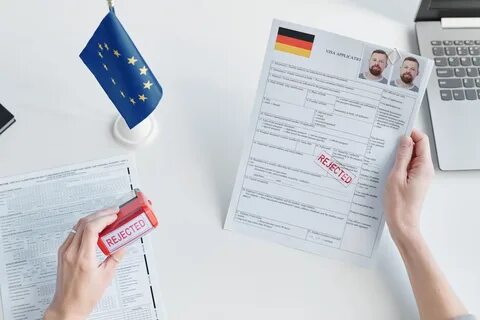
Few experiences are as frustrating as preparing for months, paying fees, submitting documents, and then receiving one cold sentence: “Your visa application has been refused.”
For many applicants, the shock is not the refusal itself.
It is the confusion that follows.
The truth is simple but uncomfortable: most European visa refusals happen because of avoidable mistakes. Not bad luck, discrimination and conspiracy.
This guide breaks down exactly what gets European visas rejected, why these mistakes matter so much, and—most importantly—how to fix them properly.
If you plan to apply again, or you want to get it right the first time, this is the clarity you need.
Why European Visa Officers Reject Applications So Often
European embassies do not reject visas randomly.
They assess risk.
Every application is judged on one core question:
Will this person respect the visa conditions and leave when required?
If officers see doubt, inconsistency, or weak evidence, they refuse.
The system is designed to:
- Reduce overstays
- Prevent illegal migration
- Protect internal security
- Ensure applicants are self-sufficient
Understanding this mindset changes everything.
Mistake #1: Weak or Unclear Travel Purpose
This is one of the top rejection reasons.
Many applicants say they are traveling for “tourism,” but fail to prove it convincingly.
What Goes Wrong
- Generic cover letters
- Vague itineraries
- Random hotel bookings
- No logical travel plan
Embassies want clarity, not imagination.
How to Fix It
- Create a clear, day-by-day itinerary
- Match cities with realistic travel routes
- Book accommodation that fits your plan
- Explain why you chose those places
Your travel purpose must feel human and logical, not copied.
Mistake #2: Insufficient or Suspicious Financial Proof
Money is not just about balance.
It is about credibility.
What Triggers Rejection
- Sudden large deposits
- Borrowed funds
- Inconsistent statements
- Low balance compared to trip length
Officers look for financial stability, not just numbers.
How to Fix It
- Use personal accounts, not third-party funds
- Show consistent income history
- Match funds to travel duration
- Avoid last-minute deposits
If your finances look staged, trust disappears.
Mistake #3: Poorly Written Cover Letter
A cover letter is not a formality.
It is your voice.
Common Errors
- Overly long explanations
- Emotional appeals
- Contradictions
- Copy-paste templates
Visa officers read hundreds of letters.
They recognize generic ones instantly.
How to Fix It
- Keep it simple and factual
- Explain travel purpose clearly
- Mention dates, funding, and return plans
- Avoid emotional language
A good letter builds confidence quietly.
Mistake #4: Weak Ties to Your Home Country
This mistake alone ruins countless applications.
If officers doubt you will return home, they refuse.
Weak Ties Look Like
- No stable job
- No business ownership
- No family responsibilities
- No long-term commitments
How to Fix It
Prove reasons to return:
- Employment letters
- Approved leave documents
- Business registration
- Family ties
Your life at home must look stronger than the temptation to stay.
 Mistake #5: Inconsistent Information Across Documents
This is a silent killer.
Examples
- Different job titles
- Conflicting travel dates
- Income mismatch
- Address inconsistencies
Officers cross-check everything.
How to Fix It
- Review all documents together
- Ensure dates and facts align
- Use one consistent narrative
Inconsistency equals risk.
Mistake #6: Ignoring Previous Visa Refusals
Some applicants hide past refusals.
This is a serious error.
European systems share data across countries, especially within the Schengen zone. Previous refusals are visible through centralized records explained on the European Commission’s migration and visa policy portal:
👉 https://home-affairs.ec.europa.eu/policies/migration-and-asylum_en
Why This Matters
- Non-disclosure looks dishonest
- Trust collapses instantly
How to Fix It
- Declare all past refusals
- Explain what changed since then
- Show improvement clearly
Honesty restores credibility.
Mistake #7: Overreliance on Agents
Agents are not embassies.
And embassies know when an application is “outsourced.”
Common Problems
- Fake documents
- Poor explanations
- One-size-fits-all submissions
When something goes wrong, you carry the consequences, not the agent.
How to Fix It
- Understand your own application
- Review every document
- Ask questions
- Avoid shortcuts
Knowledge protects you.
Mistake #8: Applying for the Wrong Visa Type
Many refusals come from misclassification.
Examples
- Tourist visa for business activities
- Short-stay visa for long programs
- Visiting visa for job hunting
Visa officers reject applications that do not match purpose.
How to Fix It
- Match activities to visa category
- Read official guidelines carefully
- Apply for the correct visa, even if harder
Wrong category equals automatic refusal.
Mistake #9: Overstays and Travel History Problems
Travel history matters more than ever.
With digital tracking systems and ETIAS screening, overstays are easily detected. The upcoming system is explained on the official ETIAS platform:
👉 https://travel-europe.europa.eu/etias_en
Red Flags
- Past overstays
- Border refusals
- Frequent long stays
How to Fix It
- Respect visa durations
- Build clean travel history
- Leave buffer days
One mistake can follow you for years.
Mistake #10: Fake or Unverifiable Documents
This is the fastest route to bans.
Includes
- Fake bank statements
- Forged employment letters
- False invitations
Embassies verify more than applicants realize.
How to Fix It
- Use only genuine documents
- Explain weaknesses honestly
- Strengthen real evidence
A weak truth is better than a strong lie.
Mistake #11: Poor Interview Performance
Some visas require interviews.
Many applicants underestimate this step.
Common Interview Errors
- Nervous contradictions
- Overexplaining
- Memorized answers
- Arguing with officers
How to Fix It
- Answer calmly
- Stay consistent with documents
- Be honest and brief
Confidence comes from preparation.
Mistake #12: Applying Too Frequently After Refusals
Repeated applications without improvement damage credibility.
Why This Hurts
- Officers see desperation
- No new evidence raises suspicion
How to Fix It
- Pause after refusal
- Address refusal reasons
- Apply only when stronger
Patience is strategic.
Mistake #13: Applying With an Unrealistic Travel Duration
Many applicants request travel dates that do not match their profile.
Why This Causes Rejection
- Long stays with low income look suspicious
- First-time travelers asking for maximum duration raise red flags
- Officers fear hidden intentions
How to Fix It
- Start with shorter trips
- Match duration to income and work leave
- Build travel history gradually
Realistic plans signal genuine intent.
Mistake #14: Submitting Weak or Unverifiable Invitation Letters
Invitation letters are powerful—but only when credible.
Common Problems
- Host has unclear legal status
- No proof of relationship
- Missing address or ID details
- Contradictions with applicant’s story
How to Fix It
- Include host’s residence permit or passport
- Explain relationship clearly
- Match invitation dates with itinerary
A weak invitation harms more than it helps.
Mistake #15: Choosing the Wrong Embassy or Consulate
Many applicants apply where it feels “easier.”
This often backfires.
Why This Is a Problem
- You must apply to the main destination
- Embassies cross-check travel plans
- Wrong location equals refusal
How to Fix It
- Apply to the country of longest stay
- If equal stays, apply to first entry
- Align hotel bookings with embassy choice
Jurisdiction rules are strictly enforced.
Mistake #16: Poor Travel Insurance Coverage
Travel insurance is not a checkbox.
What Goes Wrong
- Coverage below required amount
- Wrong validity dates
- Insurance not valid across Schengen
How to Fix It
- Minimum €30,000 coverage
- Valid for entire stay
- Covers all Schengen states
Small insurance errors cause instant refusals.
Mistake #17: Overconfidence From Past Visa Approvals
Past success does not guarantee future approval.
Why This Is Dangerous
- Circumstances change
- Policies tighten
- Officers reassess risk every time
How to Fix It
- Treat every application as new
- Update documents fully
- Never reuse old assumptions
Each application stands alone.
Mistake #18: Applying Too Close to Intended Travel Date
Timing matters more than people realize.
What Happens
- Rushed documents
- No time to correct errors
- Delays cause automatic refusals
How to Fix It
- Apply early
- Respect embassy timelines
- Leave room for additional requests
Urgency creates mistakes.
Mistake #19: Ignoring Embassy-Specific Requirements
Each embassy has small but important differences.
Common Oversights
- Missing extra forms
- Wrong photo size
- Outdated checklist use
How to Fix It
- Use the embassy’s official checklist
- Check updates before submission
- Follow instructions exactly
One missing detail can sink everything.
Mistake #20: Emotional or Defensive Reactions After Refusal
How you respond to rejection matters.
What Hurts Your Chances
- Angry appeal letters
- Blaming embassies
- Immediate reapplication without changes
How to Fix It
- Stay calm and analytical
- Treat refusal as feedback
- Improve, then reapply
Visa decisions reward logic, not emotion.
Final Add-On Insight
By the time an application reaches an officer, everything you submitted tells a story.
If the story feels:
- Inconsistent → refusal
- Risky → refusal
- Unrealistic → refusal
But if it feels:
- Logical
- Honest
- Well-prepared
Your chances rise sharply.
Key Mistakes vs Fixes (Quick Reference Table)
| Mistake | Why It Fails | How to Fix |
|---|---|---|
| Weak travel purpose | Looks fake | Clear itinerary |
| Poor finances | High risk | Stable proof |
| Inconsistencies | Trust loss | Document alignment |
| Weak home ties | Overstay fear | Prove commitments |
| Fake documents | Ban risk | Use real evidence |
The Psychological Side of Visa Refusals
Rejection feels personal.
But it is procedural.
Understanding this helps you:
- Remove emotion
- Focus on structure
- Improve objectively
Visa success is rarely about luck.
How to Rebuild a Strong Application
After a refusal:
- Read refusal reasons carefully
- Identify weak areas
- Strengthen documentation
- Rewrite cover letter
- Apply strategically
A refined application often succeeds.
Are European Visas Getting Harder?
They are not harder.
They are stricter and smarter.
Prepared applicants still succeed.
Unprepared ones fail faster.
Final Thoughts: Control What You Can
European visa refusals are painful, but predictable.
Most rejections happen because:
- Applicants misunderstand requirements
- Documentation is weak
- Strategy is poor
When you correct these issues, outcomes change.
Knowledge, honesty, and preparation remain your strongest tools.
Frequently Asked Questions (FAQs)
1. Can I reapply after a visa rejection?
Yes, but only after fixing the refusal reasons.
2. Does one rejection affect future applications?
Yes. All refusals are recorded.
3. Is it better to apply through an agent?
Only if you understand and verify everything.
4. How long should I wait before reapplying?
Wait until your profile improves significantly.
5. Are some European embassies easier than others?
No embassy is “easy.” Preparation matters more than location.
Leave a Reply