

The Nigerian economy has been through intense shifts in recent years. One of the most visible impacts is the steady weakening of the naira. Prices rise faster than incomes. Savings lose value over time. For many Nigerians, this is not just an economic concept. It is a daily reality.
In response, a growing number of people are turning to cryptocurrency. Not as a trend. Not as speculation. But as a practical tool for survival and financial stability.
This shift is not random. It is driven by necessity, creativity, and a desire for control over personal finances. From freelancers to small business owners, crypto is becoming a financial lifeline.
This article explores how Nigerians are using crypto to hedge against naira devaluation. It also breaks down the strategies, risks, and real-life applications shaping this movement.
Understanding Naira Devaluation and Its Impact
Naira devaluation happens when the currency loses value against stronger global currencies like the US dollar. This affects almost every aspect of life.
Here is what it means in practical terms:
- Imported goods become more expensive
- Savings lose purchasing power
- Businesses face higher costs
- Inflation rises rapidly
For example, if you saved ₦1,000,000 a year ago, its value today may be significantly lower in real terms. This erosion pushes people to seek alternatives.
According to a detailed analysis by the World Bank on Nigeria’s economy, rising inflation and currency instability continue to affect household purchasing power. You can read more in this Nigeria economic update.
This environment creates a strong incentive to store value outside the naira.
Why Cryptocurrency Appeals to Nigerians
Crypto offers something the traditional system struggles to provide. Stability in value relative to the naira.
Here are the key reasons Nigerians are adopting crypto:
- Protection against inflation
- Access to global currencies
- Faster international transactions
- Reduced reliance on local banks
Many Nigerians do not see crypto as an investment first. They see it as a hedge.
Stablecoins like USDT and USDC are especially popular. These coins are pegged to the US dollar. That means their value remains relatively stable compared to the naira.
The Rise of Stablecoins in Nigeria
Stablecoins are at the center of Nigeria’s crypto adoption story.
Instead of holding naira, many people convert their money into stablecoins. This helps preserve value over time.
Why stablecoins dominate
- They mirror the US dollar
- They are easy to buy and sell
- They reduce volatility risks
- They are widely accepted on platforms
Here is a simple comparison:
| Asset Type | Stability Level | Risk Level | Use Case |
|---|---|---|---|
| Naira | Low | High | Daily transactions |
| Bitcoin | Medium | High | Investment and speculation |
| Stablecoins | High | Low | Savings and payments |
Stablecoins act like digital dollars. This makes them ideal for Nigerians trying to escape currency depreciation.
Real-Life Use Cases of Crypto in Nigeria
Crypto is not just theory. It is actively used in everyday financial activities.
Freelancers and remote workers
Many Nigerians work for foreign clients. Payments often come in dollars.
Instead of converting to naira immediately, they:
- Receive payments in crypto
- Store value in stablecoins
- Convert only when necessary
This protects their earnings from currency fluctuations.
Small business owners
Importers and online sellers face rising costs due to dollar scarcity.
Crypto helps them:
- Pay international suppliers
- Avoid delays in bank transfers
- Access better exchange rates
This creates a more efficient supply chain.
Students and young professionals
Young Nigerians are leading crypto adoption.
They use crypto for:
- Saving money in stable currencies
- Sending money abroad
- Paying for online services
This generation is more comfortable with digital tools and global finance.
How Nigerians Buy and Use Crypto
The process is simpler than many think.
Common steps
- Create a crypto wallet
- Register on a peer-to-peer platform
- Buy stablecoins using naira
- Store or transfer funds as needed
Peer-to-peer trading is especially popular. It allows users to exchange directly without relying on banks.
Platforms like Binance P2P and others dominate this space.
Peer-to-Peer Trading: The Backbone of Crypto in Nigeria
P2P trading is critical because of regulatory restrictions.
Instead of direct bank integration, users trade with each other.
How it works
- Buyer sends naira to seller
- Seller releases crypto from escrow
- Platform ensures transaction security
Advantages
- No bank dependency
- Flexible pricing
- Wide availability
Challenges
- Risk of scams
- Price fluctuations
- Need for trust
Despite risks, P2P remains the most accessible method.
Crypto as a Hedge Against Inflation
Inflation eats away at savings. Crypto provides a buffer.
Example scenario
- You hold ₦500,000 in naira
- Inflation rises
- Purchasing power drops
Now compare with stablecoins:
- Convert ₦500,000 to USDT
- Value tracks the dollar
- Less exposure to local inflation
This strategy is widely used across Nigeria.
Comparing Crypto vs Traditional Savings
| Feature | Traditional Savings | Crypto Savings |
|---|---|---|
| Currency stability | Low | High (stablecoins) |
| Accessibility | Moderate | High |
| Inflation protection | Weak | Strong |
| Transaction speed | Slow | Fast |
Crypto offers clear advantages, especially in unstable economies.
The Role of Remittances
Nigeria receives billions in remittances each year.
Crypto is changing how money flows into the country.
Benefits of crypto remittances
- Lower fees
- Faster transfers
- Better exchange rates
Instead of waiting days, funds arrive within minutes.
According to a comprehensive overview of crypto adoption trends, Nigeria ranks among the top countries using digital assets. See this detailed report on global crypto adoption.
Risks Nigerians Face When Using Crypto
Crypto is not risk-free. It comes with serious challenges.
Major risks
- Price volatility
- Scams and fraud
- Regulatory uncertainty
- Security threats
Common mistakes
- Using unverified platforms
- Sharing private keys
- Falling for investment schemes
Education is critical. Many losses happen due to lack of knowledge.
Regulatory Landscape in Nigeria
The government has taken a cautious approach to crypto.
Banks were once restricted from supporting crypto transactions. This pushed users toward P2P trading.
Recent developments suggest a gradual shift toward regulation rather than outright bans.
What this means
- Increased oversight
- Potential for safer platforms
- More structured adoption
However, uncertainty still exists.
How Nigerians Manage Crypto Risks
Smart users adopt strategies to minimize risk.
Best practices
- Use trusted platforms
- Enable two-factor authentication
- Store funds in secure wallets
- Avoid suspicious offers
Diversification
Many users do not rely on a single asset.
They combine:
- Stablecoins for savings
- Bitcoin for growth
- Naira for daily spending
This balanced approach reduces exposure.
Crypto and Financial Inclusion
Crypto is also improving access to financial services.
Many Nigerians lack access to traditional banking.
Crypto bridges that gap.
Benefits
- No need for bank accounts
- Global financial access
- Lower entry barriers
This is especially important in rural areas.
The Psychological Shift Toward Crypto
Beyond finance, crypto represents a mindset change.
People are becoming more:
- Digitally aware
- Financially independent
- Globally connected
This shift is shaping a new generation of financially savvy Nigerians.Visual Insight: Crypto Usage in Everyday Life

Crypto is no longer abstract. It is embedded in daily routines, from payments to savings.
Another Perspective: Digital Dollars vs Local Currency
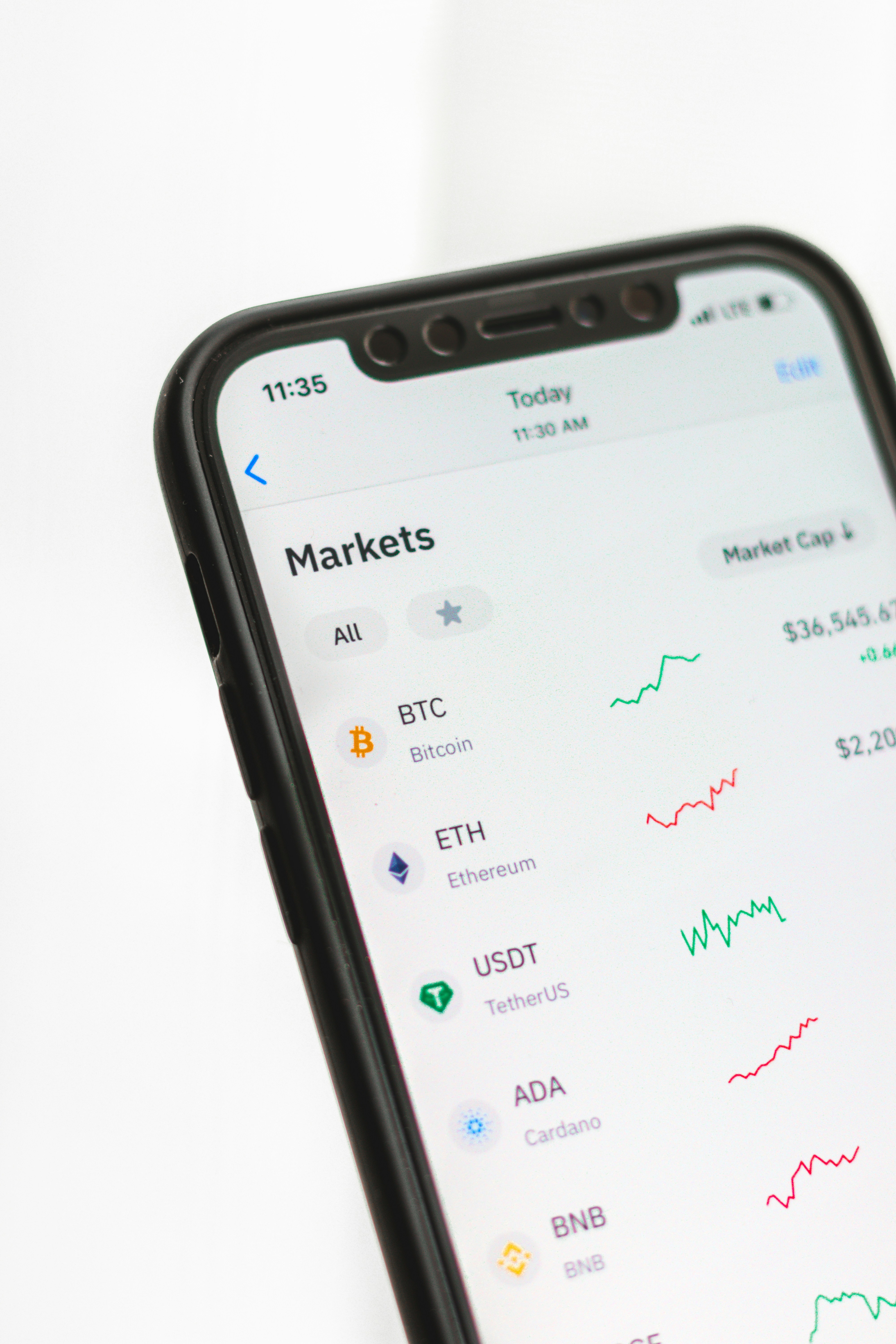
This visual captures the transition from local currencies to global digital assets.
The Future of Crypto in Nigeria
Crypto adoption is expected to grow.
Key drivers
- Continued naira instability
- Increasing digital literacy
- Expansion of fintech solutions
Possible outcomes
- More regulation
- Better infrastructure
- Wider acceptance
Crypto may become a standard financial tool rather than an alternative.
Practical Tips for Beginners
If you are new to crypto, start carefully.
Step-by-step approach
- Learn basic concepts
- Start with small amounts
- Focus on stablecoins
- Use trusted platforms
Avoid these pitfalls
- Chasing quick profits
- Ignoring security
- Following hype blindly
Patience is essential.
Final Thoughts
Crypto is not a magic solution. But in Nigeria’s economic reality, it offers a powerful tool.
It allows people to protect value, access global markets, and regain financial control.
The adoption is not driven by hype. It is driven by necessity.
As the naira continues to fluctuate, crypto will likely remain a key part of Nigeria’s financial landscape.
FAQs
Is cryptocurrency legal in Nigeria
Crypto is not illegal, but regulations are evolving. Users should stay informed about policy changes.
What is the safest crypto for Nigerians
Stablecoins like USDT and USDC are considered safer due to their price stability.
Can I lose money using crypto
Yes. Risks include volatility, scams, and poor security practices.
How do Nigerians convert crypto to cash
Most use peer-to-peer platforms to exchange crypto for naira.
Is crypto better than saving in a bank
It depends on your goals. Crypto offers better inflation protection but carries higher risks.
Leave a Reply