
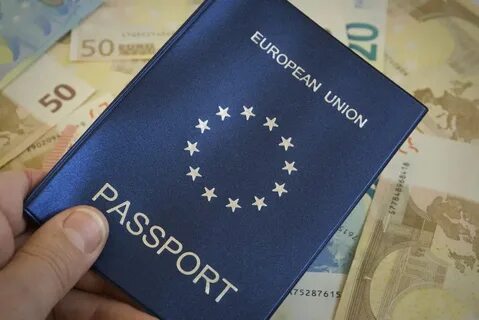
Many travelers assume that once they receive a visa or book a flight to Europe, entry is guaranteed. Unfortunately, that assumption causes thousands of entry refusals every year. European immigration officers do not simply stamp passports. They assess risk, consistency, and preparedness.
Entry denial can happen quickly. Sometimes it takes only one missing document or one inconsistent answer. Travelers often discover too late that border control follows strict procedures and risk-based decisions.
This guide explores common mistakes that get travelers denied entry in Europe, why these errors matter, and how you can avoid them. You will learn the hidden signals immigration officers watch for, the practical preparation steps that increase approval chances, and the behaviors that raise red flags.
Understanding these factors transforms travel from stressful uncertainty into confident preparation.
Why Travelers Get Denied Entry Even With a Visa
Many people believe a visa guarantees entry. It does not.
A visa allows you to request entry at the border. The final decision belongs to the immigration officer.
European entry rules operate under shared frameworks such as the Schengen border regulations, which require officers to verify more than documentation.
Officers assess:
- Purpose of travel
- Financial ability
- Security risk
- Intent to leave
Even strong travelers can face refusal if inconsistencies appear.
Mistake #1: Traveling Without Complete Documentation
Missing documents remain the top reason travelers face denial.
Some assume digital copies are enough. Others rely only on their visa.
Documents You Must Carry
Always prepare:
- Valid passport
- Visa (if required)
- Return ticket
- Accommodation proof
- Travel insurance
- Financial proof
Without supporting documents, officers may doubt your intentions.
Why This Mistake Happens
Many travelers:
- Depend on travel agents too much
- Forget printed copies
- Assume officers will not ask
Prepared travelers organize documents before arrival.
Mistake #2: Inconsistent Travel Story
Your answers must match your documents.
Immigration officers compare your verbal explanation with written evidence.
Examples of Dangerous Inconsistencies
- Saying you visit friends but showing hotel booking.
- Claiming tourism without itinerary.
- Mentioning work intentions on a tourist visa.
Even small contradictions raise suspicion.
How Officers Detect Issues
They listen for:
- Changing timelines
- Confusing explanations
- Uncertainty about destination plans
Consistency builds trust quickly.
Mistake #3: Weak Financial Proof
Europe requires visitors to show they can support themselves.
Financial weakness suggests risk of illegal work.
Common Financial Errors
- Showing outdated bank statements
- Low account balance
- No proof of sponsor support
Best Practices
Prepare:
- Recent bank statements (last 3 months)
- Credit cards
- Cash declaration if necessary
Strong financial preparation signals responsibility.
Mistake #4: One-Way Tickets Without Clear Reason
One-way tickets trigger extra questioning.
They suggest uncertainty about departure.
Acceptable Reasons for One-Way Tickets
- Long-term visa holders
- Students with residence permits
- Relocation cases
Tourists using one-way tickets must explain clearly.
Mistake #5: Lack of Accommodation Proof
Europe expects travelers to know where they will stay.
Unclear accommodation creates risk perception.
Valid Accommodation Proof
- Hotel reservation
- Airbnb booking
- Invitation letter from host
Your name must appear on the reservation.
Mistake #6: Poor Behavior at Border Control
Behavior matters more than many travelers realize.
Officers observe:
- Nervousness
- Aggression
- Overconfidence
Behavioral Mistakes
- Talking too much
- Arguing with officer
- Avoiding eye contact
Calm and respectful communication helps immensely.
Mistake #7: Misusing Visa Type
Travelers sometimes misunderstand visa categories.
Examples include:
- Using tourist visa to job hunt
- Entering for business without proof
Officers evaluate whether your activities match your visa purpose.
Mistake #8: Previous Immigration Violations
Past behavior influences current decisions.
Immigration systems track:
- Overstays
- Deportations
- Visa refusals
Officers see your history instantly.
Honesty remains essential.
Mistake #9: No Clear Travel Itinerary
Travelers often say, “I will decide after arrival.”
That approach rarely works.
What Officers Prefer
- Planned destinations
- Rough schedule
- Clear departure date
You do not need strict plans. You need clarity.
Mistake #10: Incorrect Travel Insurance
Many Schengen countries require travel insurance covering emergencies.
Mistakes include:
- Insufficient coverage
- Wrong dates
- Limited geographic scope
Insurance demonstrates preparedness.
You can review general entry expectations through the EU travel information portal.
Mistakes at a Glance — Quick Comparison Table
| Mistake | Why It Raises Concern | Prevention Strategy |
|---|---|---|
| Missing documents | Incomplete preparation | Carry organized folder |
| Inconsistent answers | Possible deception | Align documents with story |
| Weak finances | Risk of illegal work | Prepare bank statements |
| One-way ticket | Unclear exit plan | Show return or explanation |
| Poor behavior | Risk indicator | Stay calm and respectful |
| Wrong visa usage | Policy violation | Match purpose with visa |
The Psychological Side of Border Decisions
Immigration officers assess both logic and intuition.
They ask:
- Does this traveler look prepared?
- Are answers consistent?
- Does behavior match documents?
Psychology plays a major role.
Prepared travelers appear confident without arrogance.
Technology’s Role in Entry Denials
Modern border control uses advanced tools:
- Biometric scanning
- Watchlists
- Travel history databases
Technology verifies identity and past travel behavior quickly.
Even small discrepancies appear instantly.
Secondary Inspection: What It Means
Secondary inspection is not automatic refusal.
Officers may:
- Ask detailed questions
- Verify bookings
- Contact sponsors
Remain calm if directed there.
Cultural Misunderstandings That Cause Problems
Some travelers unintentionally offend officers.
Examples include:
- Excessive jokes
- Casual responses to serious questions
- Ignoring instructions
Professional communication works best.
Red Flags Officers Watch Closely
- Last-minute bookings
- No luggage for long trips
- Confusing explanations
- Missing travel insurance
- Large unexplained cash amounts
Avoid these signals when possible.
How Experienced Travelers Avoid Entry Denial
Successful travelers prepare like professionals.
They:
- Print documents
- Know itinerary details
- Maintain calm behavior
- Answer directly
Preparation reduces uncertainty.
The Emotional Impact of Entry Denial
Entry refusal creates:
- Financial loss
- Emotional stress
- Future visa complications
Avoiding mistakes protects your travel record.
Future Trends in European Entry Checks
Europe is introducing:
- Digital travel authorization systems
- Enhanced biometric verification
- Automated border gates
These systems increase efficiency but also scrutiny.
Conclusion: Preparation Turns Risk Into Confidence
Entry denial rarely happens without warning signs.
Most refusals result from avoidable mistakes.
Immigration officers evaluate documentation, behavior, and intent together. Travelers who prepare thoroughly often experience smooth entry.
Remember:
- Organize documents.
- Maintain consistency.
- Show financial stability.
- Stay calm and respectful.
Travel becomes easier when you understand how decisions are made.
FAQs
1. Can travelers be denied entry even with approved visas?
Yes. Border officers make the final entry decision.
2. What is the most common mistake travelers make?
Missing documents or inconsistent travel explanations.
3. Does nervousness cause denial?
Extreme nervousness may trigger additional questioning.
4. Are digital copies acceptable?
Sometimes, but printed documents are safer.
5. How can I increase my chances of smooth entry?
Prepare documents, stay calm, and answer questions honestly.
Leave a Reply