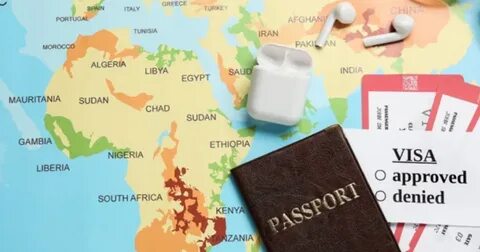
European visa rules are not what they used to be.
For years, applicants relied on predictable processes, stable timelines, and familiar requirements. That era is fading fast.
Across Europe, governments are rewriting visa policies quietly but decisively. Some changes are welcoming. Others are restrictive. Many catch applicants off guard.
If you are planning to study, work, visit, or relocate to Europe, understanding these shifts is no longer optional. It is essential.
This guide explains what is changing, why it matters, and how to stay ahead—without legal jargon or unnecessary complexity.
Why European Visa Policies Are Changing Now
Europe is under pressure from multiple directions.
Key drivers include:
- Labor shortages in skilled sectors
- Rising migration numbers
- Security and border control concerns
- Digital transformation of immigration systems
- Political pressure from voters
Governments are responding with policy recalibration, not blanket openness.
The result is a system that feels both more modern and more demanding.
Applicants who adapt early gain an advantage.
Those who rely on old assumptions risk refusal.
The Big Shift: From Uniform Rules to Targeted Migration
One of the biggest changes is selective openness.
Europe is no longer broadly open or closed.
It is strategically open.
Countries now prioritize:
- Skilled workers
- Healthcare professionals
- Engineers and technicians
- Students in critical fields
At the same time, low-skill and poorly documented applications face stricter scrutiny.
This shift affects every visa category, including tourism.
Schengen Visas Are Becoming More Data-Driven
Schengen visas remain popular, but they are no longer simple.
What Has Changed
- Stronger biometric checks
- Deeper travel history analysis
- Increased data sharing between states
- Higher rejection rates for weak profiles
Your past travel behavior now matters more than ever.
Missed exits, overstays, or inconsistent records are flagged instantly.
The official framework for Schengen short-stay visas is defined by the EU Visa Code, published on the official European Commission migration and home affairs portal.
This centralization reduces loopholes but increases precision.
Digital Visas and Automation Are Replacing Paper Systems
Europe is rapidly digitizing visa processing.
Several systems are being introduced or expanded:
- ETIAS (for visa-free travelers)
- EES (Entry/Exit System)
- Digital appointment tracking
- Online document verification
For applicants, this means:
- Faster background checks
- Fewer manual errors
- Less room for excuses
It also means mistakes are permanent.
Once data is logged, it follows you.
ETIAS: What Visa-Free Travelers Must Understand
ETIAS is not a visa, but it changes everything.
It applies to travelers who previously entered Europe without prior authorization.
Key Facts
- Mandatory pre-travel authorization
- Linked to passport data
- Automated security screening
- Valid for multiple entries
Many travelers underestimate ETIAS.
A rejection here can block travel entirely.
According to the official ETIAS information portal, approval is automated but not guaranteed.
Work Visas Are Becoming More Flexible—and More Demanding
Europe wants workers, but not just any workers.
Positive Changes
- Job seeker visas in more countries
- Faster work permit processing
- Recognition of foreign qualifications
- Easier employer sponsorship
Stricter Expectations
- Verified education credentials
- Salary thresholds enforced
- Proof of experience required
- Language requirements increasing
Work visas are now performance-based, not promise-based.
Student Visas: Easier Entry, Tighter Monitoring
Europe remains attractive to international students.
However, student visas now come with:
- Stronger financial proof rules
- Attendance monitoring
- Post-study transition limits
Many countries allow students to stay after graduation.
But only if they secure qualifying employment quickly.
Students who treat education as a migration shortcut face disappointment.
 Family Reunification Rules Are Quietly Tightening
Family visas are among the most sensitive categories.
Recent trends include:
- Higher income thresholds
- Longer waiting periods
- Housing proof requirements
- Language tests for dependents
While reunification remains protected, it is no longer automatic.
Planning ahead is critical.
Asylum and Humanitarian Visas: Faster Decisions, Fewer Appeals
European asylum systems are under strain.
Governments are responding by:
- Accelerating decisions
- Reducing appeal layers
- Expanding safe-country lists
This means genuine cases may be processed faster.
It also means weak claims fail quickly.
Tourist Visas Face Higher Refusal Rates
Tourist visas are now risk-assessed aggressively.
Common refusal triggers include:
- Weak travel history
- Poor financial documentation
- Suspicious sponsorship letters
- Inconsistent narratives
Applicants must prove intent to return, not just intent to visit.
Country-by-Country Differences Are Growing
Europe is not one immigration system.
It is many systems under a shared framework.
Some countries are opening doors.
Others are pulling back.
Understanding national priorities is essential.
Comparative Table: Key Visa Policy Trends in Europe
| Visa Type | What’s Changing | Impact on Applicants |
|---|---|---|
| Tourist (Schengen) | More data checks | Higher refusals |
| Work Visas | Skills-focused | Better chances for professionals |
| Student Visas | Monitoring tightened | Less abuse tolerated |
| Family Visas | Income rules stricter | Longer preparation needed |
| Visa-Free Travel | ETIAS required | Pre-screening mandatory |
The Rise of Compliance Over Compassion
European visa systems now favor compliance.
This includes:
- Accurate documentation
- Honest disclosures
- Consistent travel records
Emotional appeals matter less.
Verifiable facts matter more.
Common Mistakes Applicants Still Make
Despite changes, many applicants repeat old errors.
Avoid these:
- Submitting incomplete documents
- Using fake or inflated bank statements
- Relying on agents blindly
- Ignoring policy updates
These mistakes are now detected faster.
How Applicants Can Adapt Successfully
Smart applicants do three things well.
1. Prepare Early
- Study requirements deeply
- Gather documents months ahead
2. Stay Honest
- Declare past refusals
- Avoid inconsistencies
3. Choose Strategically
- Apply to countries aligned with your profile
- Avoid “trial-and-error” submissions
What These Changes Mean for Africans and Other Non-EU Nationals
For many applicants outside Europe, the system feels harsher.
In reality, it is more transparent.
Those with:
- Strong documentation
- Clear intent
- Real qualifications
still succeed.
Those without preparation struggle faster.
Are European Visa Policies Becoming Anti-Immigrant?
Not exactly.
They are becoming anti-risk.
Europe is filtering migration, not stopping it.
The door remains open.
The lock is smarter.
Looking Ahead: What to Expect Next
Future changes likely include:
- Fully digital visas
- AI-assisted screening
- Unified EU databases
- Faster but firmer decisions
Applicants who stay informed will thrive.
Final Thoughts: Knowledge Is the New Visa Advantage
European visa policies are changing quietly but permanently.
Success now depends less on luck and more on understanding the system.
Those who adapt will still travel, study, work, and settle in Europe.
Those who ignore the changes will face repeated refusals.
The choice is preparation—or frustration.
Frequently Asked Questions (FAQs)
1. Are European visas harder to get now?
They are stricter, but clearer. Strong applications still succeed.
2. Does ETIAS replace Schengen visas?
No. It applies only to visa-free travelers.
3. Are work visas easier than tourist visas?
For skilled professionals, yes.
4. Do past refusals affect new applications?
Yes. All refusals are now easily traceable.
5. Should I still apply to Europe in 2026?
Yes, but only with proper preparation and realistic expectations.
Leave a Reply