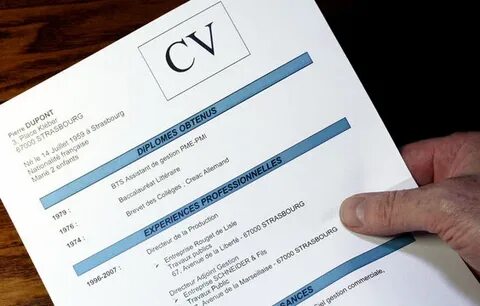
Landing a job abroad is exciting, but your CV can make or break your chances. Many talented candidates get rejected not because they lack skills, but because their CV does not meet international standards.
Employers in countries like the US, UK, Canada, and Australia expect a specific format, tone, and structure. If your CV does not align with those expectations, it may never pass the first screening.
This guide breaks everything down in a simple, practical way. You will learn how to structure your CV, avoid common mistakes, and position yourself as a strong global candidate.
What Is an International CV
An international CV is a resume designed to meet global hiring standards. It focuses on clarity, measurable results, and relevance.
Unlike local CVs, international CVs are:
- Concise and targeted
- Achievement-focused, not duty-based
- Free from unnecessary personal details
- Structured for applicant tracking systems
In simple terms, it is not about listing everything you have done. It is about showing what value you bring.
Why Most People Get It Wrong
Many applicants use outdated formats that reduce their chances.
Here are common mistakes:
- Including age, religion, or marital status
- Writing long paragraphs instead of bullet points
- Listing responsibilities without results
- Using generic CV templates
- Ignoring keyword optimization
According to a resume writing guide by Indeed, recruiters spend only a few seconds scanning a CV. That means clarity and impact matter more than length.
Key Differences Between Local and International CVs
Understanding the difference helps you adapt quickly.
| Feature | Local CV | International CV |
|---|---|---|
| Length | 2–5 pages | 1–2 pages |
| Personal Info | Detailed | Minimal |
| Focus | Responsibilities | Achievements |
| Format | Flexible | Structured |
| Keywords | Rarely used | Highly important |
| Photo | Often included | Usually excluded |
The international version is lean, focused, and results-driven.
Ideal Structure of an International CV
A well-structured CV improves readability and boosts your chances.
Here is the standard structure:
- Header
- Professional summary
- Work experience
- Skills
- Education
- Certifications
- Optional sections
Each section must be clear and easy to scan.
Header Section Done Right
Your header is simple but important.
Include:
- Full name
- Phone number with country code
- Professional email
- LinkedIn profile
Avoid:
- Home address
- Date of birth
- Gender
- Passport details
Keep it clean and professional.
How to Write a Powerful Professional Summary
Your summary is your elevator pitch. It should grab attention within seconds.
Keep it between 3–5 lines.
Focus on:
- Your experience level
- Key skills
- Major achievements
- Career goal
Example:
Results-driven finance professional with five years of experience in risk analysis. Proven ability to reduce operational losses by 20 percent. Seeking opportunities in global financial institutions.
Crafting a Strong Work Experience Section
This is the most important part of your CV.
Do not just list duties. Show results.
Use this format:
- Job title
- Company name
- Location
- Dates
- Achievements in bullet points
Example:
- Increased sales revenue by 30 percent within one year
- Reduced customer complaints by implementing a new feedback system
Use action verbs such as:
- Led
- Managed
- Improved
- Developed
- Achieved
The Power of Numbers in Your CV
Numbers make your achievements believable.
Compare this:
- Managed a team
Versus:
- Managed a team of 10 employees, improving productivity by 25 percent
Always quantify when possible.
Skills Section That Stands Out
Your skills section should be relevant and targeted.
Split into two categories:
Hard skills:
- Data analysis
- Project management
- Software proficiency
Soft skills:
- Communication
- Leadership
- Problem-solving
Match your skills with the job description.
Education and Certifications
Keep it straightforward.
Include:
- Degree
- Institution
- Graduation year
Add certifications if relevant.
Example:
- Google Data Analytics Certificate
- Project Management Professional
Certifications can give you an edge in competitive markets.
Optimizing Your CV for ATS
Most companies use Applicant Tracking Systems.
These systems scan your CV before a human sees it.
To optimize:
- Use keywords from the job description
- Avoid images or graphics
- Use standard headings
- Keep formatting simple
You can learn more about ATS optimization from this ATS resume optimization guide.
Common CV Formats and When to Use Them
There are three main formats.
| Format | Best For | Advantage |
|---|---|---|
| Chronological | Experienced professionals | Shows career growth |
| Functional | Career changers | Highlights skills |
| Hybrid | Most candidates | Balanced approach |
The hybrid format is often the best for international roles.
Tailoring Your CV for Each Country
Different countries have slightly different expectations.
United States:
- One-page CV preferred
- No personal details
United Kingdom:
- Two pages acceptable
- Professional tone
Canada:
- Similar to US format
- Focus on achievements
Australia:
- Slightly longer CV allowed
- Detailed experience section
Always research the country before applying.
Writing Style That Gets Attention
Your writing must be:
- Clear
- Concise
- Impactful
Avoid:
- Long sentences
- Complex words
- Passive voice
Use short, direct sentences.
Common Mistakes to Avoid
These mistakes can cost you opportunities:
- Spelling and grammar errors
- Using one CV for all applications
- Including irrelevant experience
- Poor formatting
- Lack of keywords
Always proofread your CV before sending it.
Visual Example of a Clean CV Layout

A clean layout improves readability and professionalism.
How to Tailor Your CV for Each Job
Never send the same CV everywhere.
Instead:
- Study the job description
- Identify keywords
- Adjust your summary
- Highlight relevant experience
This increases your chances significantly.
Adding a Personal Branding Touch
Your CV should reflect your unique value.
You can:
- Add a LinkedIn profile
- Include a portfolio link
- Highlight unique achievements
This makes you stand out from other candidates.
The Role of Cover Letters
A CV alone is not always enough.
A strong cover letter can:
- Explain career gaps
- Show personality
- Highlight motivation
Always include one when possible.
Digital Tools to Improve Your CV
You can use tools like:
- Resume builders
- Grammar checkers
- Keyword analyzers
These tools improve quality and accuracy.
Final Checklist Before Submission
Before sending your CV, check:
- Is it tailored to the job
- Are achievements quantified
- Is formatting consistent
- Are there spelling errors
- Is it ATS-friendly
A final review can make a big difference.
Conclusion
Writing an international CV is not complicated, but it requires attention to detail. The goal is simple. Show your value clearly and quickly.
Focus on results, keep it concise, and tailor it for each opportunity. When done right, your CV becomes a powerful tool that opens global doors.
Remember, employers are not just hiring skills. They are hiring impact. Make sure your CV proves you can deliver it.
FAQs
What is the ideal length of an international CV
The ideal length is one to two pages. Keep it concise and relevant.
Should I include a photo in my CV
In most countries, photos are not required and can even reduce your chances.
Can I use the same CV for all job applications
No. Always tailor your CV to match each job description.
What format should I use for my CV
A hybrid format works best for most candidates.
How do I make my CV stand out
Focus on achievements, use numbers, and align your content with the job requirements.
Leave a Reply